India’s healthcare and wellness industry offers business opportunities for entrepreneurs interested in nutraceuticals, herbal products and Ayurvedic formulations. Customers are increasingly interested in nutrition, wellness and traditional healthcare products, creating opportunities for businesses that want to develop and market their own product ranges.
However, starting a product business does not necessarily mean establishing a manufacturing plant. Businesses can explore third-party manufacturing, in which an eligible manufacturing partner produces products for a marketing company or brand owner under an agreed arrangement.
For entrepreneurs who want to enter the nutraceutical or Ayurvedic market, this model can help reduce the need for direct investment in manufacturing infrastructure.
In this guide, we explain how to plan a nutraceutical and Ayurvedic product business in India, choose suitable products, evaluate manufacturing partners and prepare for market entry.
What Is Nutraceutical Third-Party Manufacturing?
Nutraceutical third-party manufacturing is a business arrangement in which a company gets eligible nutritional or wellness products manufactured by another manufacturer instead of operating its own production facility.
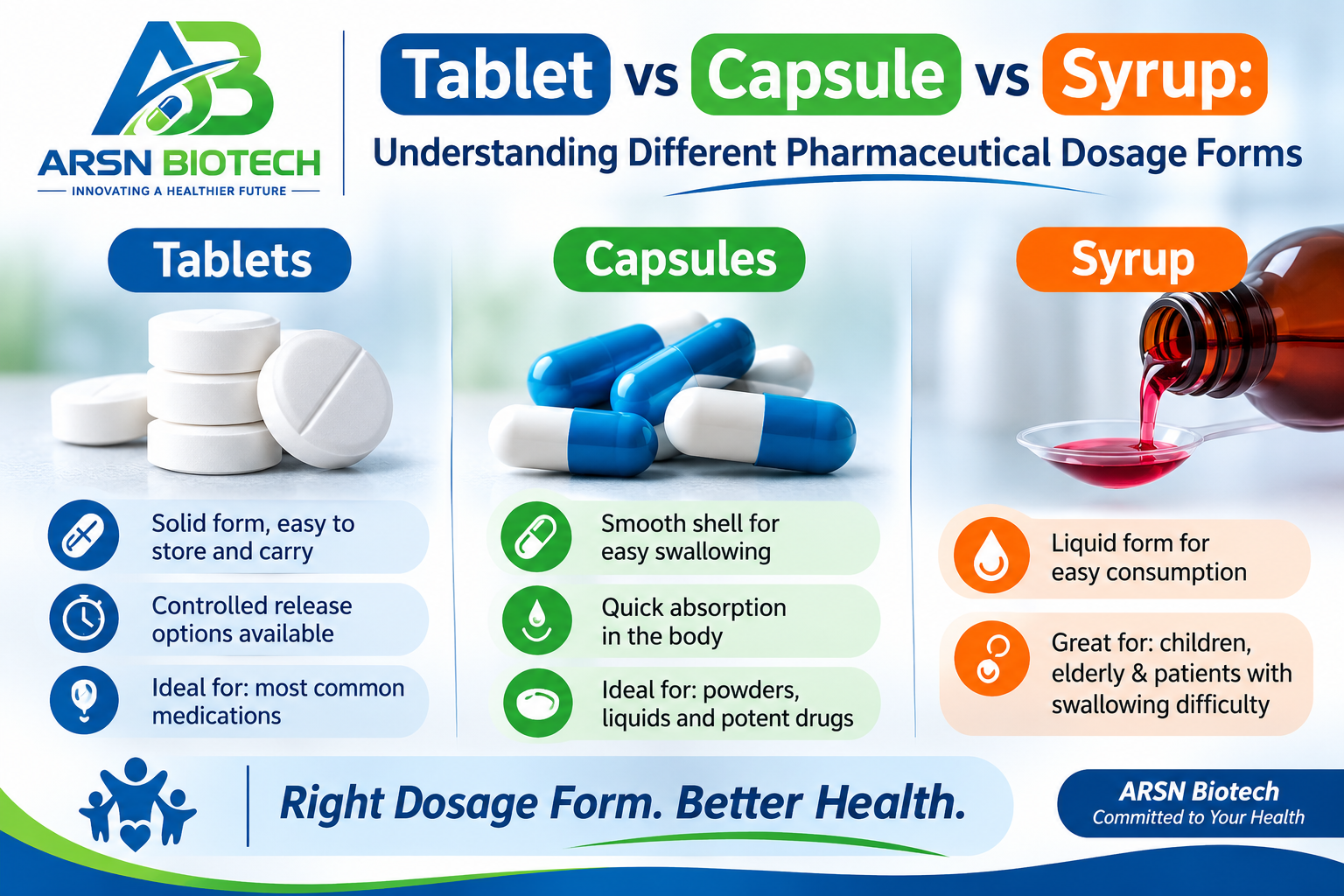
Depending on the manufacturer’s capabilities and applicable permissions, product categories may include nutritional powders, capsules, tablets, sachets and other permitted dosage forms.
The brand owner generally focuses on business planning, branding, distribution and marketing, while the manufacturing partner handles the agreed manufacturing activities.
The exact responsibilities of both parties should be documented clearly, including product specifications, packaging, quality requirements, regulatory responsibilities and delivery terms.
Key Benefits of Third-Party Manufacturing
1. Reduced infrastructure investment
Businesses may avoid the expense of establishing their own production facility, purchasing manufacturing equipment and maintaining an in-house production team.
2. Focus on brand development
Entrepreneurs can concentrate on market research, customer relationships, distribution and business development.
3. Flexible product planning
Businesses can evaluate different product categories and select a portfolio suited to their target customers and commercial objectives.
4. Access to manufacturing expertise
An appropriately qualified manufacturing partner can provide manufacturing capabilities, product specifications and quality documentation relevant to the agreed products.
5. Business scalability
As demand develops, a brand owner can discuss additional products, revised quantities and new packaging requirements with the manufacturing partner, subject to capacity and applicable requirements.
Why Consider the Ayurvedic Product Market?
Ayurvedic products represent another potential business category for entrepreneurs interested in traditional wellness formulations.
Depending on the product and its regulatory classification, businesses may explore herbal preparations, selected wellness products and other permitted Ayurvedic formulations.
Potential product categories include:
- Herbal capsules
- Ayurvedic tablets
- Herbal syrups and tonics
- Traditional herbal preparations
- Selected wellness formulations
- Other permitted Ayurvedic dosage forms
Product selection should be based on market research, applicable product permissions, customer demand and the capabilities of the proposed manufacturing partner.
Businesses should also distinguish between Ayurvedic medicines, foods and nutraceuticals. These categories may be subject to different regulatory requirements, and a product should not be classified solely on the basis of its ingredients or marketing description.
Nutraceutical vs Ayurvedic Products: Understanding the Difference
Although these categories may overlap in the broader wellness market, they are not interchangeable.
| Factor | Nutraceutical products | Ayurvedic products |
|---|---|---|
| General focus | Nutrition and dietary supplementation | Products associated with Ayurveda and traditional formulations |
| Examples | Eligible nutritional powders, vitamin formulations and supplements | Eligible Ayurvedic tablets, capsules and herbal preparations |
| Regulatory framework | Depends on product classification, including applicable food regulations | Depends on classification and applicable AYUSH or other relevant requirements |
| Product development | Formulation, ingredients, specifications and permitted claims | Formulation, traditional basis where applicable, quality and permitted indications |
| Target market | Nutrition and wellness customers | Customers seeking appropriately classified Ayurvedic products |
Before manufacturing begins, the brand owner and manufacturer should confirm the product’s legal classification, permitted ingredients, labelling requirements and applicable licences.
Step-by-Step Guide to Starting Your Own Product Business
Step 1: Identify Your Target Market
Before choosing products, decide who you intend to serve.
Your target customers might include distributors, retailers, pharmacies, wellness businesses or other eligible trade partners.
Research the regions in which you plan to operate. Consider existing competition, local demand, product preferences, price expectations and the distribution channels available to your business.
A clear target market helps you avoid selecting products simply because they are popular elsewhere.
Step 2: Select the Right Product Range
Your first product portfolio should reflect your budget, customer requirements and distribution capabilities.
For example, a business interested in nutritional products might evaluate eligible supplements and nutritional powders. A business focused on Ayurveda might explore suitable herbal formulations.
When evaluating products, consider:
- Intended customer and market demand
- Product classification and applicable permissions
- Formulation and ingredient specifications
- Available packaging options
- Minimum order quantity
- Shelf life and storage requirements
- Pricing and distribution costs
Starting with a carefully researched product range can make inventory planning and marketing more manageable.
Step 3: Choose a Reliable Manufacturing Partner
Selecting the right manufacturer is an important part of launching a product brand.
Do not make your decision based on price alone. Review the manufacturer’s relevant licences, approved product scope, quality systems, production capabilities and experience with the category you want to enter.
Ask potential partners about:
- Available dosage forms and product categories
- Minimum batch or order quantities
- Packaging and labelling support
- Product specifications and quality documentation
- Testing and batch-release procedures
- Manufacturing timelines and delivery arrangements
- Complaint handling and product traceability
Verify the applicable approvals and permissions for the specific products you intend to manufacture. Certifications should be checked for their actual scope and validity rather than assumed to cover every product or activity.
Step 4: Finalise Your Brand and Packaging
Branding helps customers distinguish your products from competing offerings.
Before finalising packaging, determine whether the proposed brand name is available for use and whether any relevant trademark clearance or registration is needed.
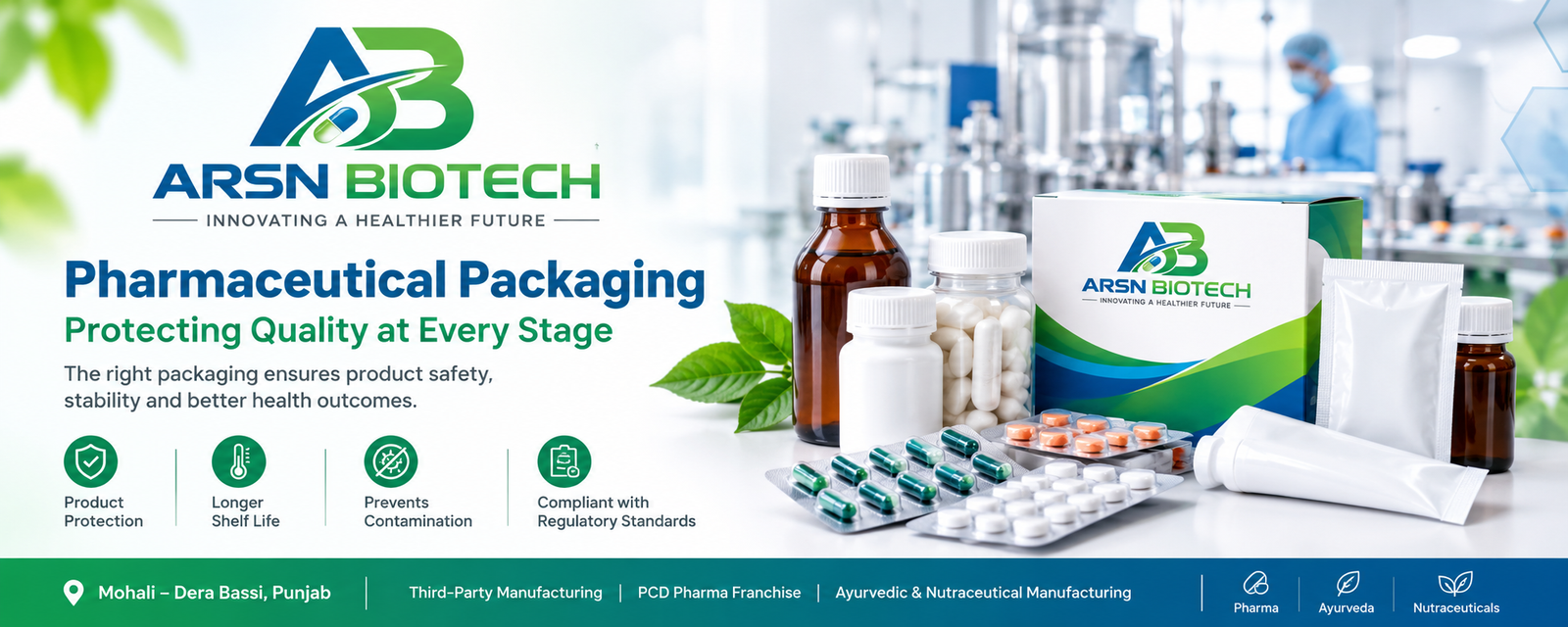
The packaging should communicate the product’s identity, composition, pack size and other required information clearly.
For regulated products, labels must comply with the requirements applicable to their classification. This may include declarations relating to ingredients, batch details, manufacturing and expiry information, licences, warnings, storage and other mandatory particulars.
Health claims must be appropriate, substantiated where required and legally permitted. Avoid unsupported claims that a product cures diseases or guarantees particular health outcomes.
Step 5: Understand Costs and Minimum Order Quantities
The investment required for third-party manufacturing varies according to the product, formulation, ingredients, dosage form, packaging, batch size and other commercial terms.
Before placing an order, request a quotation that explains the major cost components.
| Cost component | What to clarify |
|---|---|
| Manufacturing | Price per unit or batch |
| Packaging | Bottle, container, carton, label and other materials |
| Minimum order | Required batch size and order quantity |
| Testing and documentation | Applicable charges and deliverables |
| Logistics | Dispatch, freight and delivery arrangements |
| Taxes | Applicable taxes and invoicing terms |
Do not rely on a generic investment estimate without discussing your actual product requirements.
Your business budget should also account for marketing, distribution, storage, working capital and potential delays in sales collections.
Step 6: Confirm Quality and Documentation
Quality planning should begin before the first purchase order is placed.
Discuss the product specifications, testing requirements, documentation, batch-release process and responsibilities for any quality concerns.
Depending on the product and applicable rules, relevant documentation may include manufacturing licences, product permissions, specifications, certificates of analysis, test reports and batch records.
The precise documents available will depend on the product and the manufacturer’s regulatory scope.
A written agreement should also address rejected batches, complaints, recalls where applicable, change control, delivery timelines and responsibilities for regulatory compliance.
Step 7: Build Your Distribution Strategy
A product launch requires more than manufacturing and packaging.
Develop a practical plan for reaching customers and trade partners. Your strategy may include direct sales, distributor relationships, a business website, professional networking and suitable digital marketing channels.
For a business-to-business website, publish useful information about product categories, manufacturing capabilities, enquiry procedures and documentation requirements.
A clear enquiry form can help you understand prospective clients’ requirements, including their preferred products, estimated quantities, packaging needs and delivery locations.
Ensure that all marketing and promotional activities comply with the applicable rules for the relevant product category.
Common Mistakes to Avoid
New businesses can face avoidable problems when they begin product development without sufficient planning.
Choosing products without market research: A product may look attractive on paper but may not match the needs of your intended customers.
Selecting a manufacturer on price alone: Quality systems, permissions, communication and delivery reliability also matter.
Ignoring regulatory classification: Nutraceuticals, foods and Ayurvedic medicines may have different compliance requirements.
Ordering excessive quantities: Large orders can tie up working capital before demand has been established.
Overlooking packaging compliance: Labels and promotional material must meet the rules applicable to the product.
Making unrealistic sales projections: Build forecasts around actual distribution capacity, expected demand, operating costs and realistic collection periods.
Avoiding these mistakes can help businesses make more informed decisions before committing to manufacturing orders.
Why Work With ARSN Biotech?
ARSN Biotech, based in the Mohali–Dera Bassi region of Punjab, works in pharmaceutical business solutions, including PCD pharma franchise and third-party manufacturing.
For businesses exploring pharmaceutical, Ayurvedic and nutraceutical product opportunities, ARSN Biotech can be a point of contact to discuss product requirements and potential manufacturing arrangements.
Prospective customers can enquire about relevant product categories, available formulations, packaging options and order requirements. Product availability, manufacturing scope, minimum quantities and applicable regulatory permissions should be confirmed individually before placing an order.
Whether you are an established marketing company or an entrepreneur evaluating a new product line, the first step is to define your requirements and assess whether the proposed business model suits your objectives.
Visit the official website to learn more about ARSN Biotech and submit a business enquiry:
Website: https://www.arsnbiotech.com/
Frequently Asked Questions
1. What is nutraceutical third-party manufacturing?
It is an arrangement in which a business gets eligible nutritional or supplement products manufactured by another company rather than operating its own manufacturing facility.
2. Can I launch my own Ayurvedic product brand?
Potentially, yes. You must establish the appropriate business and regulatory arrangements, confirm the product’s classification, and ensure that the manufacturer and product have the required permissions.
3. What is the minimum order quantity for third-party manufacturing?
Minimum order quantities vary by manufacturer, product, dosage form, batch size and packaging. Request a quotation for your specific requirements.
4. How do I choose a nutraceutical manufacturing company in India?
Evaluate the manufacturer’s relevant licences, product scope, quality procedures, documentation, production capabilities, commercial terms and delivery arrangements.
5. Can one business sell both Ayurvedic and nutraceutical products?
A business may explore both categories, but it must meet the requirements applicable to each product and business activity. The relevant permissions, labelling and claims should be reviewed separately.
6. How can I contact ARSN Biotech for a manufacturing enquiry?
Visit https://www.arsnbiotech.com/ and use the website’s available contact or enquiry options to discuss your requirements.
Conclusion
Starting a nutraceutical or Ayurvedic product business through third-party manufacturing can offer an alternative to building an in-house production facility. However, success depends on more than selecting a product and arranging packaging.
Market research, appropriate product classification, manufacturing partner evaluation, quality documentation, realistic financial planning and effective distribution all play important roles.
If you are planning to develop a new product portfolio, begin by defining your target market, identifying suitable products and discussing your requirements with a qualified manufacturing partner.
Explore pharmaceutical and related manufacturing opportunities with ARSN Biotech. Visit https://www.arsnbiotech.com/ to make an enquiry.
Disclaimer: This article is for general business information only and is not legal, regulatory or medical advice. Product eligibility, manufacturing permissions, labelling, claims and other compliance requirements should be verified for each product before commercialisation.