Choosing the right manufacturing partner is one of the most important decisions for a pharmaceutical business. Whether you are launching a new pharmaceutical brand, expanding your existing product portfolio or exploring contract manufacturing, the manufacturer you select can influence product quality, supply consistency, costs and long-term business growth.
India has a well-established pharmaceutical manufacturing industry, offering a wide range of production capabilities across different dosage forms and healthcare product categories. However, not every manufacturer is suitable for every business requirement.
Finding the best third party pharma manufacturing company in India requires more than comparing quotations. You need to evaluate manufacturing licences, quality management systems, product availability, minimum order quantities, packaging options, communication and delivery commitments.
In this guide, we explain the essential factors to consider before selecting a pharmaceutical manufacturing partner and how businesses can make a more informed decision.
What Is Third Party Pharma Manufacturing?
Third-party pharma manufacturing is an arrangement in which a pharmaceutical business engages an external manufacturer to produce medicines or other eligible healthcare products according to agreed specifications and applicable regulatory requirements.
Instead of establishing and operating its own manufacturing facility, a business can work with a suitable manufacturing partner while focusing on branding, sales, marketing and distribution.
Depending on the arrangement, the process may include:
- Product selection and specification finalisation.
- Confirmation of manufacturing feasibility and applicable approvals.
- Packaging and labelling coordination.
- Production planning and quality testing.
- Batch release and dispatch.
- Documentation and ongoing communication.
The exact responsibilities of the manufacturer and the marketing company should be clearly defined in the agreement. Outsourcing production does not eliminate either party’s applicable legal and regulatory responsibilities.
10 Factors to Consider When Choosing a Third Party Pharma Manufacturing Company in India
1. Verify Manufacturing Licences and Regulatory Compliance
The first step is to verify that the manufacturer holds the appropriate licences and permissions for the proposed product and manufacturing activity.
Request relevant documentation and check that it is current, authentic and applicable to the manufacturing site and product category.
Depending on the product, you may need to verify pharmaceutical manufacturing licences, product-specific permissions and other applicable regulatory documentation.
For Ayurvedic, herbal, food and nutraceutical products, the relevant requirements may differ from those applicable to conventional medicines. Food products, for example, may require compliance with applicable FSSAI requirements.
Never assume that one licence or certificate automatically authorises the manufacture of every product.
2. Evaluate Quality Management Systems
Product quality should be a priority when selecting a pharma manufacturing partner.
Ask the manufacturer about its quality management processes, including:
- Raw material inspection and testing.
- In-process quality checks.
- Finished product testing.
- Batch manufacturing and testing records.
- Product traceability and documentation.
- Complaint handling and investigation procedures.
- Storage conditions and product release procedures.
Where relevant, review the manufacturer’s applicable GMP documentation and certifications. Verify certification scope, issuing authority and validity rather than relying only on promotional claims.
A manufacturer with suitable quality systems and transparent documentation can help your business manage quality-related risks more effectively.
3. Check the Available Product Range
Before finalising a manufacturing partner, identify whether it can meet your current and future product requirements.
Depending on the facility’s capabilities and applicable permissions, pharmaceutical product categories may include:
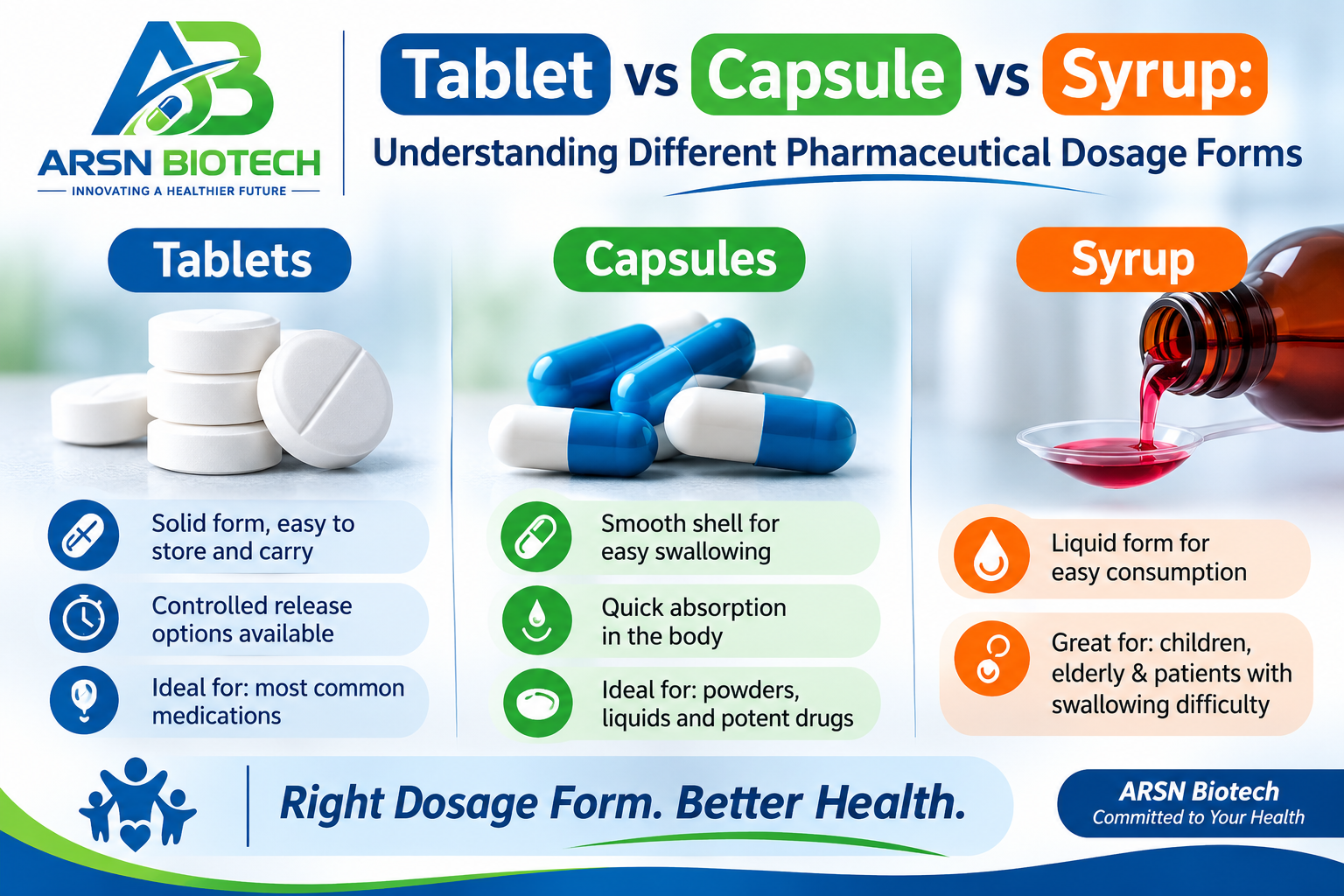
- Tablets and capsules.
- Syrups and dry syrups.
- Ointments and topical formulations.
- Injections, where appropriately licensed and equipped.
- Ayurvedic and herbal products.
- Nutraceuticals and eligible food products.
Ask for a product catalogue and confirm the composition, strength, dosage form, packaging options and regulatory status of each product you intend to order.
If you plan to expand your portfolio later, consider whether the manufacturer can support your additional requirements.
4. Compare Minimum Order Quantities (MOQ)
Minimum order quantity is an important commercial consideration, particularly for startups and growing pharmaceutical marketing companies.
MOQ may vary according to the formulation, batch size, packaging materials, production requirements and availability of raw materials.
Before placing an order, ask the manufacturer to confirm:
- Minimum quantity per product.
- Minimum quantity per strength or pack size.
- Packaging and artwork requirements.
- Any additional charges for smaller batches.
- Payment terms and production scheduling.
Do not select a manufacturer solely because it offers a low MOQ. Make sure the proposed quantity is commercially practical and consistent with your expected sales.
5. Compare Pricing and Overall Value
Manufacturing costs affect your pricing strategy and business margins. However, the lowest quotation is not necessarily the best commercial option.
Request a detailed quotation that identifies the major cost components, including product manufacturing, packaging, labelling, testing where separately charged, applicable taxes and transportation.
Compare quotations on an equivalent basis. The composition, strength, pack size, packaging material, specifications and quantity should be comparable.
Also clarify whether the quotation includes all agreed services or whether additional charges may apply.
A transparent quotation helps you estimate the total landed cost and plan your product pricing more accurately.
6. Review Packaging and Branding Capabilities
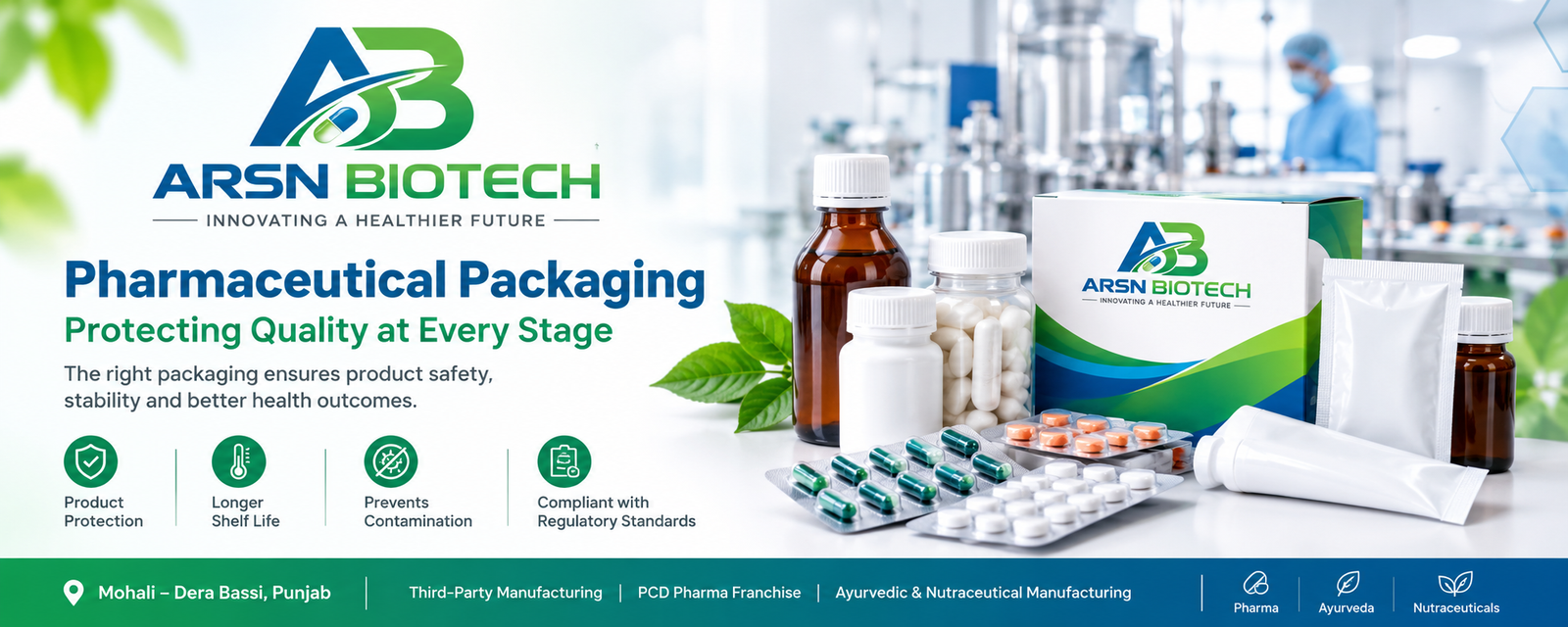
Packaging influences product protection, presentation, storage and customer recognition.
Discuss available packaging formats, label specifications, carton designs, printing requirements and artwork approval procedures with the manufacturer.
Before production begins, ensure that all packaging information complies with the applicable regulations for the product category.
For medicines, this may include prescribed labelling information and applicable warnings. For food and nutraceutical products, different labelling requirements may apply.
Confirm who is responsible for reviewing and approving the final artwork, and retain written approval to reduce the risk of printing errors.
7. Assess Production Capacity and Delivery Timelines
A manufacturer should be able to explain whether it can accommodate your proposed order quantity within the required timeframe.
Ask about production lead times, raw material availability, packaging procurement, quality testing and dispatch planning.
Clarify whether the delivery estimate begins after order confirmation, advance payment, artwork approval or another milestone.
For repeat orders, discuss the process for planning production in advance. Clear timelines can help you manage inventory, distributor commitments and customer expectations.
Avoid relying on verbal delivery promises alone. Important commercial commitments should be documented.
8. Evaluate Communication and Customer Support
Effective communication can make the manufacturing process easier to manage.
A suitable manufacturing partner should provide clear information about product availability, quotations, documentation, artwork approval, production progress and dispatch.
Before committing to a large order, assess how promptly the company responds to your enquiries and whether it answers technical and commercial questions clearly.
Ask who will be your point of contact and how issues such as delays, documentation requests or product complaints will be handled.
Consistent communication is particularly important when coordinating multiple products or repeat orders.
9. Check Experience and Business Reliability
A manufacturer’s experience may help you understand its capabilities, but experience alone does not guarantee suitability.
Evaluate the company’s relevant manufacturing experience, available facilities, documentation, customer references where available and ability to meet your requirements.
You can also ask for a sample of the relevant product, where appropriate and legally permitted, and review its documentation before placing an order.
For a new business relationship, consider starting with a manageable order after completing the necessary verification rather than committing immediately to a large portfolio.
10. Review the Manufacturing Agreement Carefully
A written agreement should clearly define the responsibilities of both parties.
Depending on the arrangement, it may cover:
- Product specifications and applicable approvals.
- Manufacturing and quality responsibilities.
- Packaging and labelling approvals.
- Order quantities and pricing.
- Payment terms and delivery schedules.
- Documentation and record retention.
- Handling of deviations, complaints and product recalls.
- Confidentiality and intellectual property.
- Termination and dispute-resolution provisions.
Have the agreement reviewed appropriately before signing, particularly if the arrangement involves proprietary formulations, significant financial commitments or long-term supply obligations.
Third Party Pharma Manufacturing vs. Choosing Only on Price
A common mistake is selecting a manufacturer based entirely on the quoted rate.
Consider the following comparison when evaluating potential partners.
| Evaluation factor | What to look for |
|---|---|
| Compliance | Appropriate, valid licences and permissions |
| Quality | Documented quality systems and testing procedures |
| Product range | Suitable products and manufacturing capabilities |
| MOQ | Quantities aligned with expected demand |
| Pricing | Transparent quotation and clear payment terms |
| Packaging | Appropriate formats and compliant labelling |
| Delivery | Realistic production and dispatch schedules |
| Communication | Timely responses and clear documentation |
| Agreement | Defined responsibilities and quality obligations |
A balanced evaluation helps you assess overall suitability rather than focusing on a single commercial factor.
Who Should Consider Third Party Pharma Manufacturing?
Third-party manufacturing may be relevant to several types of businesses, subject to applicable licensing and regulatory requirements.
Pharmaceutical marketing companies: Businesses looking to expand their medicine portfolio without independently operating a manufacturing facility.
Pharma startups: Eligible businesses exploring the launch of products through an outsourced production arrangement.
PCD pharma franchise businesses: Companies building distribution networks and looking for suitable products from qualified manufacturers.
Established pharmaceutical brands: Businesses seeking additional production capacity or new product categories.
Ayurvedic and herbal brands: Businesses exploring appropriate manufacturing arrangements for eligible traditional wellness products.
Nutraceutical businesses: Companies seeking manufacturing partners for products that meet applicable food and nutraceutical requirements.
Each business should verify the requirements applicable to its products, business model and intended markets before starting operations.
Why Consider ARSN Biotech for Third Party Pharma Manufacturing?
ARSN Biotech is based in the Mohali–Dera Bassi region of Punjab and focuses on pharmaceutical business services, including third-party manufacturing and PCD pharma franchise opportunities.
Its business interests cover pharmaceutical, Ayurvedic and herbal, and nutritional product categories. The suitability and availability of individual products should be confirmed directly with the company.
Businesses evaluating ARSN Biotech can discuss their proposed product range, packaging requirements, quantities and commercial expectations with the team.
Before confirming an order, prospective clients should request relevant product information, applicable manufacturing documentation, quality details, minimum order quantities, quotations and expected production timelines.
The aim is to establish a clear understanding of the requirements before entering a manufacturing arrangement.
To explore ARSN Biotech’s services, visit: https://www.arsnbiotech.com/
Questions to Ask Before Finalising a Manufacturing Partner
Before choosing a third-party pharma manufacturing company, consider asking these questions:
- Do you hold the appropriate licences for the products we require?
- Can you provide relevant manufacturing and quality documentation?
- What is the minimum order quantity for each product?
- What packaging options are available?
- What is the expected production and dispatch timeline?
- What does the quotation include, and which additional charges may apply?
- What documentation will be provided with the supplied batch?
- How are complaints, deviations and quality concerns handled?
- What responsibilities will each party have under the manufacturing agreement?
- How can repeat orders and future product requirements be planned?
Written answers to these questions can help you compare manufacturers on a consistent basis.
Frequently Asked Questions
1. How do I choose the best third party pharma manufacturing company in India?
Verify applicable licences, quality systems, product capabilities, MOQ, pricing, packaging, delivery timelines and contractual responsibilities. Compare multiple suitable manufacturers before making a decision.
2. What documents should I request from a pharma manufacturer?
Request the applicable manufacturing licence, relevant product permissions, quality and testing documentation, and certification details where applicable. The exact documents depend on the product and manufacturing arrangement.
3. Is third-party pharma manufacturing suitable for a new business?
It can be an option for eligible businesses that want to launch products without independently establishing a manufacturing facility. However, they must still meet the legal, licensing, marketing and distribution obligations applicable to their activities.
4. What determines the MOQ in pharmaceutical manufacturing?
MOQ can depend on the dosage form, batch size, raw materials, packaging materials, production setup and other manufacturing requirements. Obtain a product-specific quotation before planning your investment.
5. How can I compare two pharma manufacturing quotations?
Compare equivalent product specifications, strengths, pack sizes, order quantities, packaging, testing arrangements, taxes, transportation and payment terms. Also evaluate quality documentation and delivery reliability.
6. Can one manufacturer produce medicines and nutraceuticals?
Some businesses offer multiple product categories, but the manufacturing requirements, facilities and regulatory permissions differ. Confirm that the manufacturer is appropriately authorised and equipped for each proposed product.
7. Where can I find a third-party pharma manufacturing partner in Punjab?
Businesses can explore manufacturers in Punjab and other Indian pharmaceutical manufacturing hubs. Evaluate each potential partner using product-specific documentation, quality systems, commercial terms and suitability for your requirements.
Conclusion
Choosing the best third party pharma manufacturing company in India requires a careful assessment of quality, compliance, manufacturing capabilities, costs and long-term reliability.
Before placing an order, verify the manufacturer’s applicable licences, understand its quality processes, compare complete quotations and document the responsibilities of both parties. A structured selection process can help reduce avoidable risks and support more informed business decisions.
ARSN Biotech welcomes enquiries from businesses interested in exploring pharmaceutical, Ayurvedic and nutritional product categories and potential manufacturing arrangements.
Looking for a pharmaceutical manufacturing partner?
Visit ARSN Biotech to explore the company’s services and discuss your product requirements.
Note: Product availability, manufacturing capabilities, licences, approvals and commercial terms should be confirmed directly before placing an order.