Pharmaceutical Packaging: Types, Materials and Their Importance in Product Quality
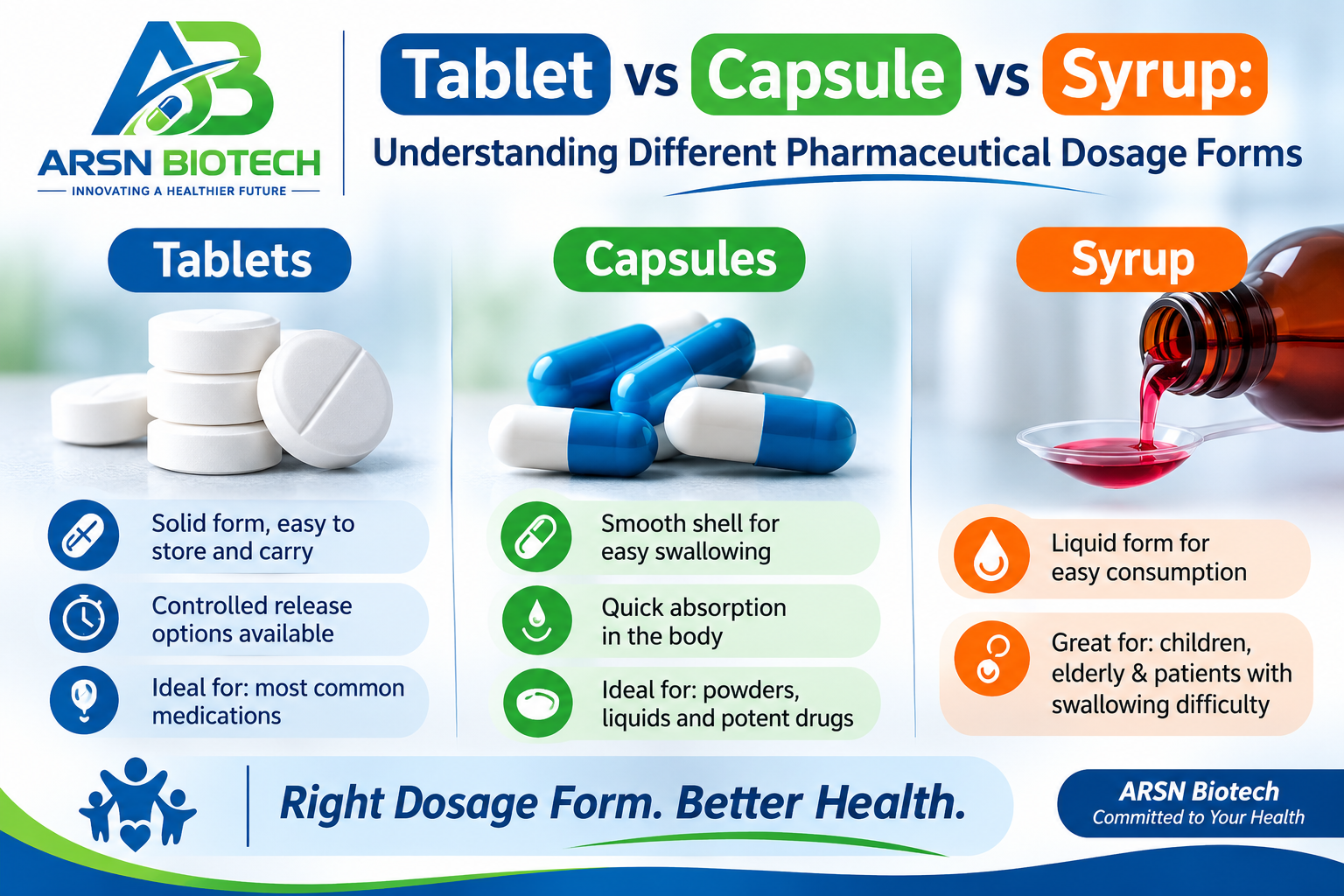
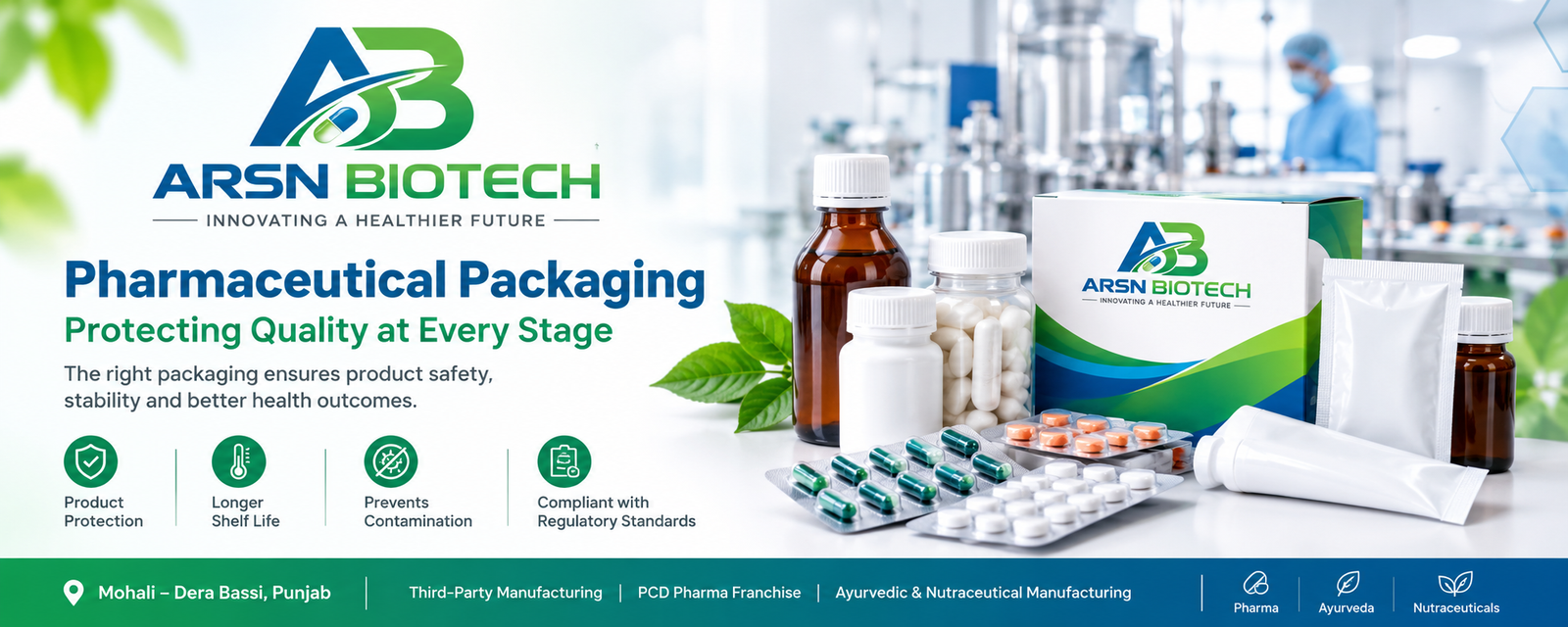
Pharmaceutical packaging plays an important role in maintaining the quality, safety and stability of medicines. It is much more than simply putting a product inside a bottle, blister or container. Proper packaging helps protect pharmaceutical products from environmental factors such as moisture, light, oxygen, contamination and physical damage. For pharmaceutical companies, selecting suitable packaging is an important part of product development and manufacturing. The right packaging helps preserve product quality, supports safe storage and transportation, and provides essential information to healthcare professionals and consumers. Businesses working with third-party pharmaceutical manufacturers should understand different packaging options before finalising their products. At ARSN Biotech, based in the Mohali region of Punjab, we understand the importance of pharmaceutical manufacturing and product presentation. Packaging requirements should be considered alongside product formulation, quality requirements and applicable regulations. 1. What Is Pharmaceutical Packaging? Pharmaceutical packaging refers to the materials and systems used to contain, protect, store and distribute medicines and healthcare products. It serves several important purposes: Protects medicines from moisture, light and other environmental conditions. Helps maintain product stability throughout its intended shelf life. Reduces the risk of contamination and physical damage. Provides information such as product name, composition, batch number and expiry date. Supports proper storage, handling and transportation. Helps patients identify and use medicines correctly. Packaging must be selected according to the product’s formulation, storage requirements, compatibility and applicable regulatory standards. 2. Different Types of Pharmaceutical Packaging Pharmaceutical products are available in different dosage forms, and each may require a specific packaging system. A. Primary Packaging Primary packaging is the material that directly contains the pharmaceutical product. It plays a critical role in protecting the medicine and maintaining its quality. Common examples include: Blister Packs: Blister packaging is commonly used for tablets and capsules. It contains individual cavities that hold each unit and provide protection against handling and environmental exposure, depending on the material and design. HDPE and Plastic Bottles: Plastic bottles are used for certain tablets, capsules, powders and liquid products. The material must be suitable for the product and its storage requirements. Glass Bottles: Glass containers are used for selected pharmaceutical formulations. Their suitability depends on factors such as chemical compatibility, light sensitivity and product characteristics. Syrup Bottles: Liquid oral medicines may be packed in suitable bottles with compatible closures. The bottle and cap system should protect the product and support safe handling. Tubes: Tubes are commonly used for creams, gels and ointments. The packaging material should be compatible with the formulation and help prevent leakage or contamination. B. Secondary Packaging Secondary packaging is the outer packaging that groups or protects primary packages. Examples include: Printed cartons Paperboard boxes Product information leaflets Outer sleeves Multipack cartons Secondary packaging provides additional protection and space for product identification, instructions and other required information. C. Tertiary Packaging Tertiary packaging is mainly used for bulk handling, warehousing and transportation. Examples include: Corrugated shipping boxes Bulk cartons Pallets Stretch wrapping Protective transportation materials It helps pharmaceutical products move through the supply chain while reducing the risk of damage. 3. Common Materials Used in Pharmaceutical Packaging The choice of packaging material depends on the formulation, compatibility, stability requirements and intended storage conditions. 1. Plastic Plastic materials are widely used in pharmaceutical packaging because they can be manufactured in different shapes and sizes. Common examples include: HDPE (High-Density Polyethylene) LDPE (Low-Density Polyethylene) PET (Polyethylene Terephthalate) PP (Polypropylene) These materials may be used for bottles, caps, containers and other packaging components. However, not every plastic is suitable for every medicine. Compatibility and protection requirements must be evaluated. 2. Glass Glass is used for selected pharmaceutical products because it can offer good chemical resistance and barrier properties. Common applications include certain liquid formulations and products that require specific container characteristics. The appropriate glass type should be selected based on the formulation and relevant compatibility requirements. 3. Aluminium Aluminium is commonly used in blister lidding materials, strips and tubes. Depending on its construction and design, aluminium packaging can provide strong protection against moisture, light and gases. 4. Paper and Paperboard Paper and paperboard are commonly used for secondary packaging, including printed cartons, labels and product inserts. They provide space for product information, branding and handling instructions. They generally do not replace the protective function of suitable primary packaging. 5. Laminated Materials Laminated packaging combines multiple material layers to achieve specific barrier and protection properties. It may be used in selected sachets, pouches, tubes and other packaging formats. Its suitability depends on the product and packaging specifications. 4. Why Is Pharmaceutical Packaging Important for Product Quality? Packaging is directly connected to the protection and quality of pharmaceutical products. Protection Against Moisture Moisture can affect the physical and chemical stability of certain medicines. Suitable packaging helps control moisture exposure according to the product’s requirements. Protection Against Light Some pharmaceutical ingredients are sensitive to light. Appropriate packaging, such as suitable coloured containers or protective outer cartons, may help reduce light exposure. Prevention of Contamination A suitable container and closure system helps protect products from external contamination during storage and handling. Product Stability Packaging compatibility is important because certain materials may interact with a formulation. Proper selection and evaluation help support product stability throughout its intended shelf life. Safe Storage and Transportation Pharmaceutical products pass through different stages of storage and distribution. Suitable packaging helps reduce leakage, breakage and physical damage. Product Identification Packaging displays important information, including product name, batch details, manufacturing and expiry dates, storage instructions and other applicable label information. 5. Important Factors to Consider When Selecting Pharmaceutical Packaging Choosing packaging requires more than selecting an attractive bottle or carton. Pharmaceutical businesses should evaluate the following factors: 1. Product Compatibility The packaging material must be compatible with the formulation. It should not adversely affect the product’s quality or stability. 2. Moisture and Light Sensitivity Products with specific environmental sensitivities may require packaging with suitable barrier properties. 3. Dosage Form Tablets, capsules, syrups, dry syrups, injections, creams and ointments may require different packaging systems. 4. Storage Conditions The packaging should be suitable